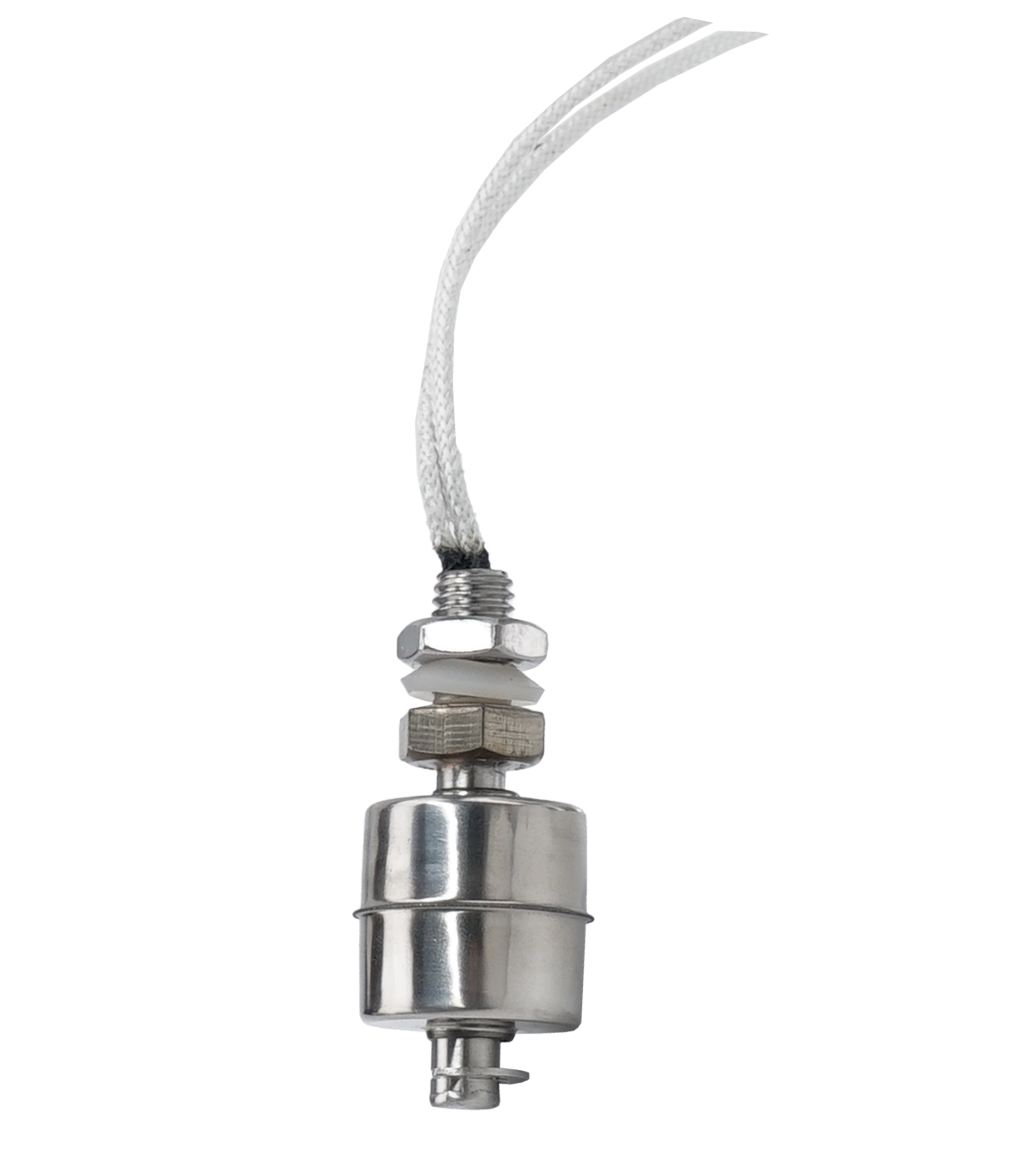

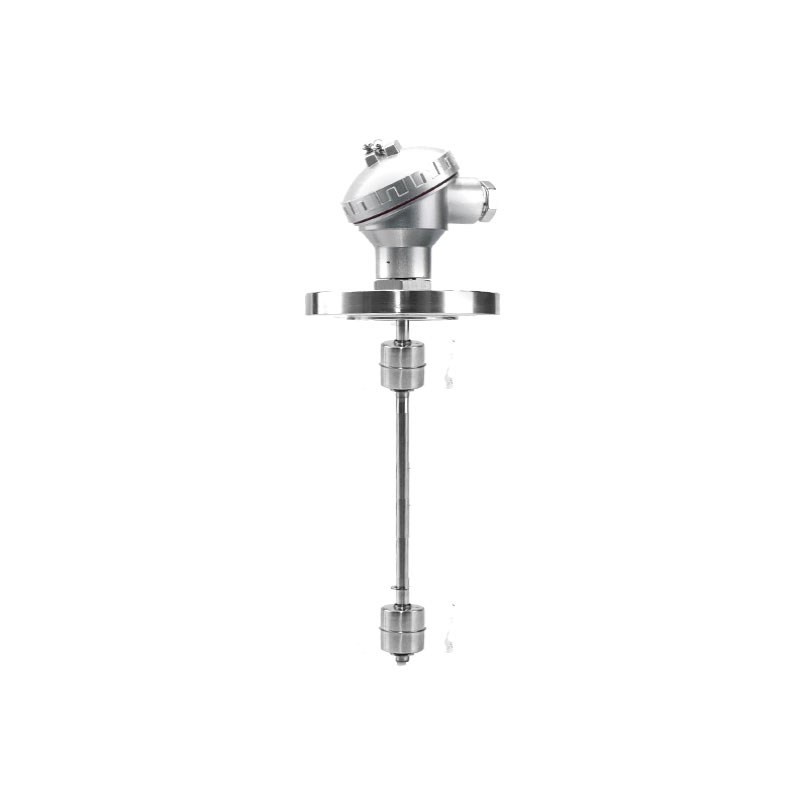
Stainless Steel Flange-Mounted Float Level Switch(double ball)
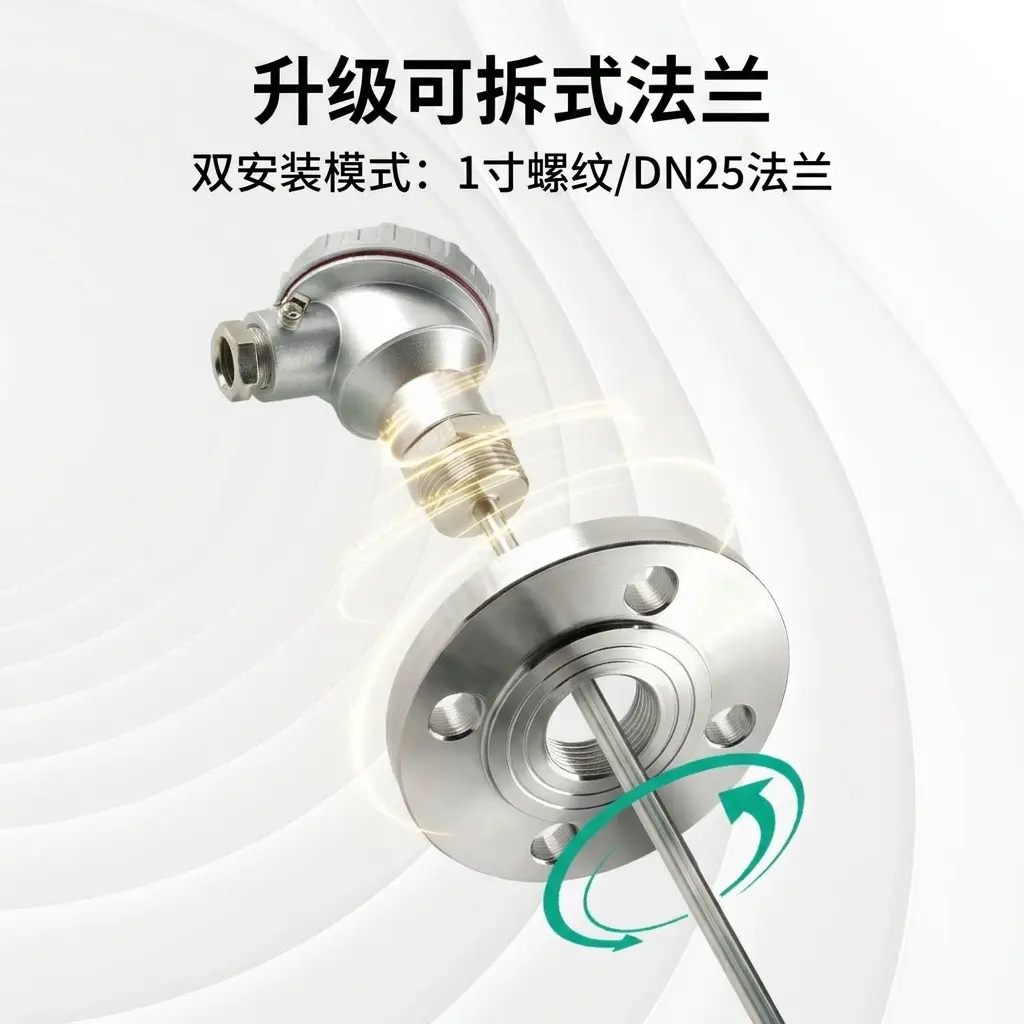
Upgraded removable flange double-ball float level switch
Dual installation modes: 1-inch thread / DN25 flange
Dual-point level control (high and low level switching)
Suitable for automatic filling and draining systems
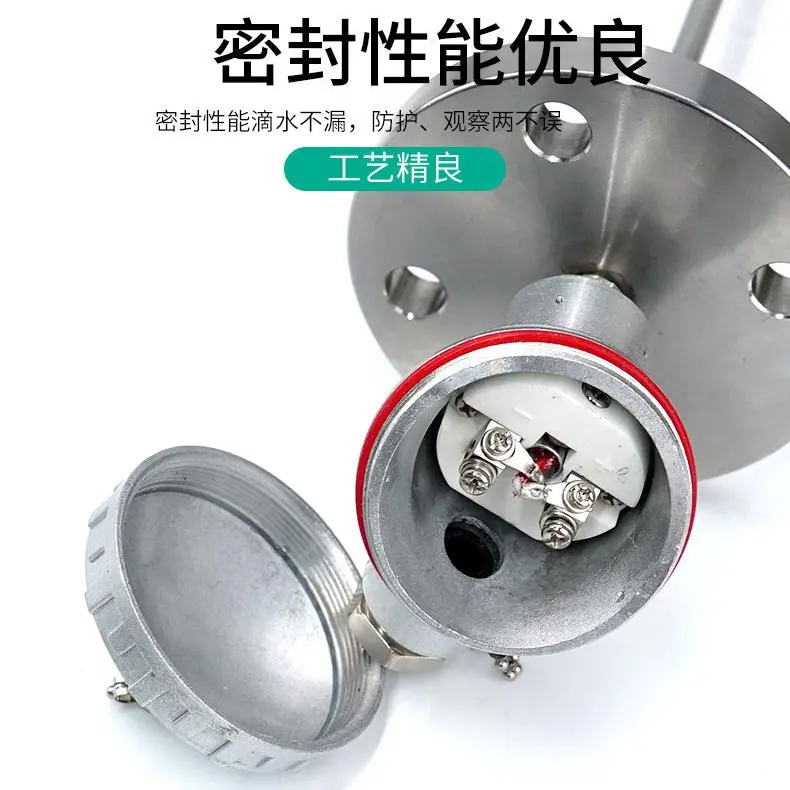
Secure installation with excellent sealing performance
High-quality corrosion-resistant stainless steel structure

Application
Industrial storage tanks and water tanks Water treatment equipment and systems Chemical liquid storage equipment Pump and liquid level control systems Industrial automation control systems Cooling and circulation systems Boiler and pressure tank systems Large industrial machinery and equipment High and low liquid level alarm systems Automatic filling and draining systems High and low liquid level control systems (dual-point switching)
Description
The stainless steel removable flange float level switch is a reed switch type liquid level controller designed for reliable liquid level monitoring in industrial and commercial environments. Compared with ordinary threaded installation structures, the upgraded removable flange design provides more secure installation, better sealing performance, and stronger vibration resistance, making it especially suitable for large tanks and industrial equipment.
The product features a dual installation mode design, allowing flexible selection between 1-inch threaded mounting and DN25 flange mounting according to different installation requirements. The removable flange structure also makes installation, replacement, and maintenance more convenient.
The flange structure with gasket sealing effectively prevents liquid leakage and improves long-term operational stability in demanding working conditions. It is suitable for large storage tanks, water treatment systems, chemical equipment, and industrial automation control systems requiring stable and durable liquid level monitoring.
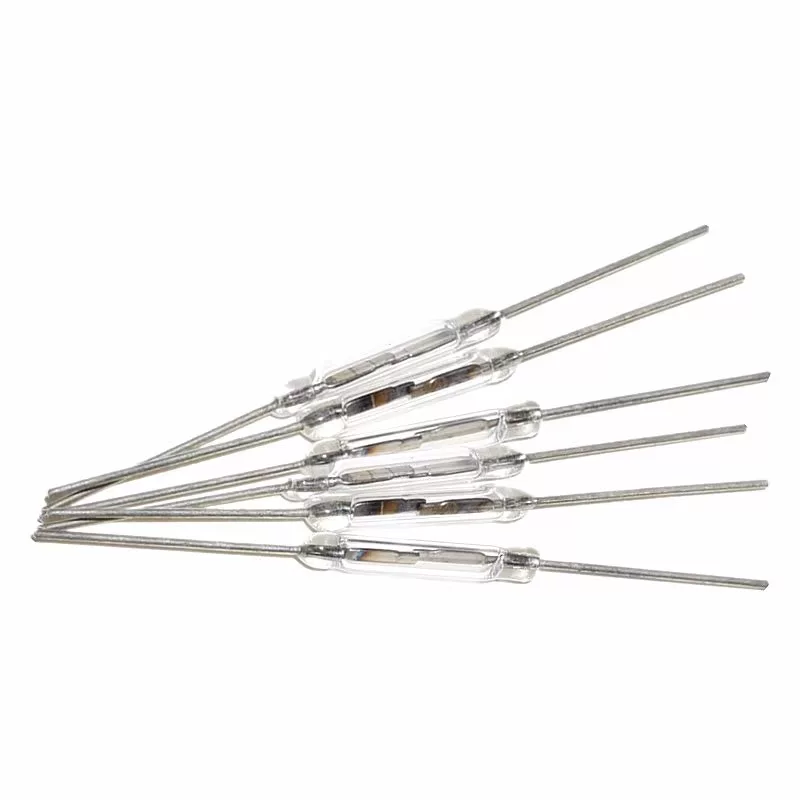
Made of high-quality stainless steel with imported reed switch components and laser welding technology, the product offers excellent corrosion resistance, stable switching performance, and long service life.
Compared with the single-ball version, the double-ball design provides dual-point liquid level control (upper and lower level switching), making it suitable for automatic filling and draining systems, as well as high/low level alarm applications.
Features
- Upgraded removable flange structure for convenient installation and maintenance
- Dual installation modes: 1-inch thread / DN25 flange
- Double-ball design for dual-point level control (high and low level switching)
- Flange mounting structure for secure and stable installation
- Excellent sealing performance with gasket protection
- High-quality stainless steel construction with strong corrosion resistance
- Imported reed switch with stable and reliable performance
- Laser welding technology for durable leak-proof sealing
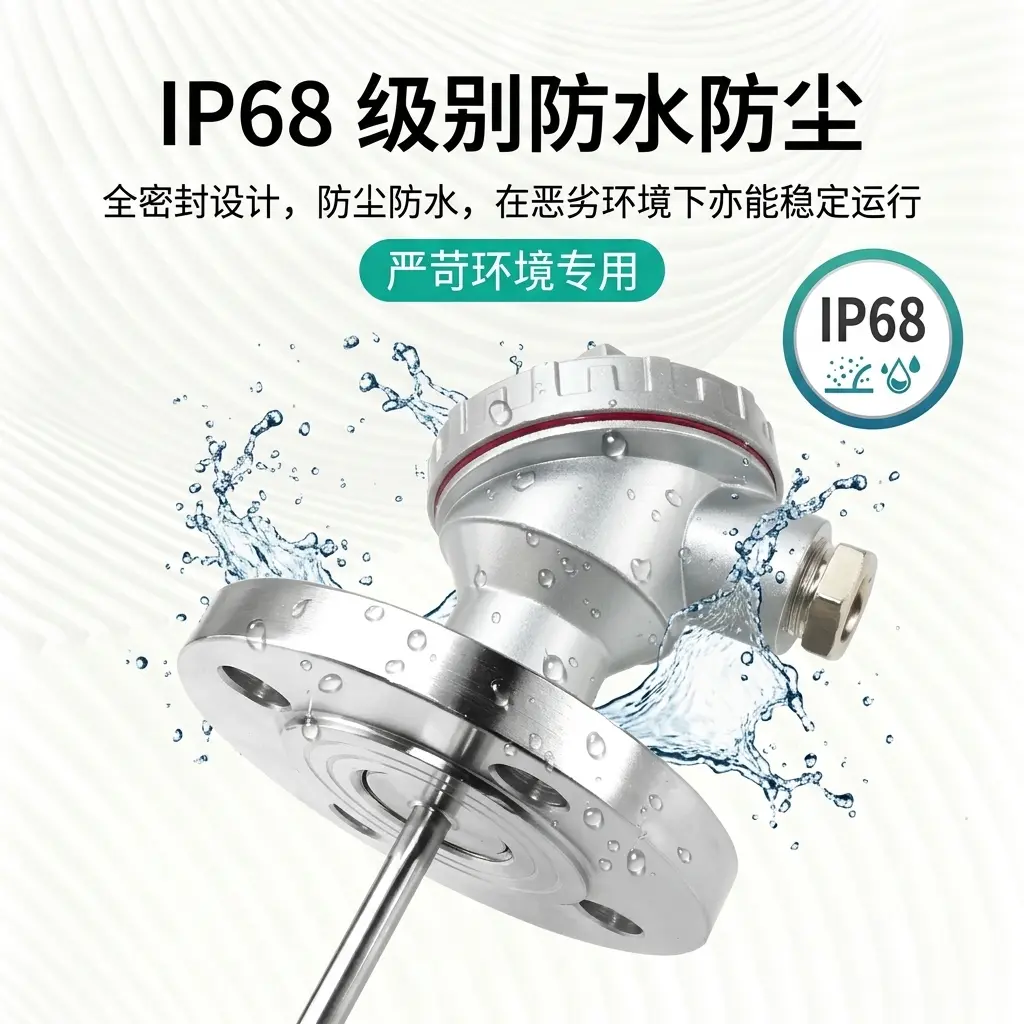
- Suitable for harsh industrial environments and continuous operation
Technical Details
Product Type:
Float Level Switch
Product Model:
Material:
Stainless Steel (304/316 Optional)
Size:
See attached drawing
Type:
Stainless Steel Flange-Mounted Float Level Switch
Operating Temperature:
-30°C to +120°C
Max Contact Rating:
10VA (1A1) / 50VA (2A1)
Max Switching Voltage:
100V AC/DC (1A1) / 220V AC/DC (2A1)
Max Switching Current:
0.5A (1A1) / 1.5A (2A1)
Max Breakdown Voltage:
110V AC/DC (1A1) / 300V AC/DC (2A1)
Max Contact Resistance:
100mΩ (1A1 / 2A1)
Installation Type:
1 Inch Thread / DN25 Flange Mounting
Switch Type:
Imported Reed Switch
Protection Level:
IP65 or Higher
Flange Material:
Stainless Steel
Accessories
What is a flange mounted float level switch used for?
This flange mounted float level switch is used for liquid level detection and automatic control in industrial tanks, vessels, and closed containers. It is commonly used for: Pump control High/low level alarm Overflow protection Dry-run protection Industrial liquid level automation The flange mounting design provides a secure, leak-resistant installation, especially suitable for tanks requiring stronger sealing than threaded types.
What is the advantage of flange mounting?
Flange mounting offers: Strong and stable installation Better sealing performance Suitable for pressure or sealed tanks Reduced leakage risk More durable for industrial environments It is widely used in chemical, water treatment, and process control systems.
What material is the float switch made of?
The float switch is made of SU304 stainless steel, including the float ball and rod structure. It provides: Corrosion resistance High strength Good temperature resistance Long service life 316 stainless steel is available for more corrosive media.
Is it normally open (NO) or normally closed (NC)?
It supports both Normally Open (NO) and Normally Closed (NC), depending on the float orientation. The switching logic can be changed by reversing the float by 180°. Lower-Open Type (Default) ① When the liquid level rises, the float moves away from the reed switch position, and the switch turns OFF. ② When the liquid level falls, the float returns to the reed switch position, and the switch turns ON. Upper-Open Type ① When the liquid level rises, the float returns to the reed switch position, and the switch turns ON. ② When the liquid level falls, the float moves away from the reed switch position, and the switch turns OFF. Note The factory default is usually the lower-open type, but users can adjust it according to control requirements.
Can it directly control pumps or solenoid valves?
No — not recommended for direct load switching. The internal reed switch is designed for low-current signal applications and should not directly control inductive or high-power loads such as pumps or solenoid valves. Recommended solution: Control signal → relay or PLC input Pump or valve → relay / contactor / motor starter ⚠️ In low-power applications (small DC pumps or low-current valves), direct switching may be possible only if the load is within the switch rating. Direct connection may reduce lifespan or damage the reed contacts.
What are the advantages of flange mounted design compared to threaded type?
Compared with threaded installation, flange type provides: Higher sealing reliability Better pressure resistance Stronger mechanical stability Safer installation for large tanks Reduced risk of loosening or leakage
What liquids is it suitable for? Suitable for:
Suitable for: Water Oil Industrial liquids Chemical solutions compatible with stainless steel Cooling fluids Not suitable for: Heavy sludge High-viscosity fluids Liquids with large solid particles
Can rod length or flange size be customized?
Yes. Customization options include: Rod length Flange specification Float quantity Cable length Electrical output configuration OEM / ODM production
What should buyers confirm before ordering?
Before purchase, confirm: Liquid type Working temperature Working pressure Tank structure Flange standard and size Rod length Electrical logic (NO / NC) Cable requirements Quantity and customization needs
What is a double-ball float level switch used for?
This double-ball float level switch is used for liquid level detection and automatic start/stop control in industrial tanks, reservoirs, and process systems. It is especially suitable for: Pump start/stop control Automatic filling systems Automatic drainage systems Wastewater and industrial tank control Applications requiring a stable level differential (hysteresis control) Compared with single-ball models, the double-ball design provides two switching points, enabling more stable and reliable automation.
How does the double-ball design work?
The double-ball structure uses two float positions: One for upper level control One for lower level control This creates a liquid level differential (hysteresis), meaning the system will not switch on/off frequently when the liquid level fluctuates slightly. This helps improve system stability and protect pumps.
What is the main advantage of the double-ball structure?
The key advantages are: Larger liquid level differential Reduced pump cycling (prevents frequent ON/OFF) Improved system stability Longer pump lifespan Better automation control performance This makes it ideal for pump protection systems.
When should a double-ball model be selected?
Choose double-ball if: Pump start/stop control is required A stable liquid level range is needed Frequent switching must be avoided System stability is important Industrial automation control is required