


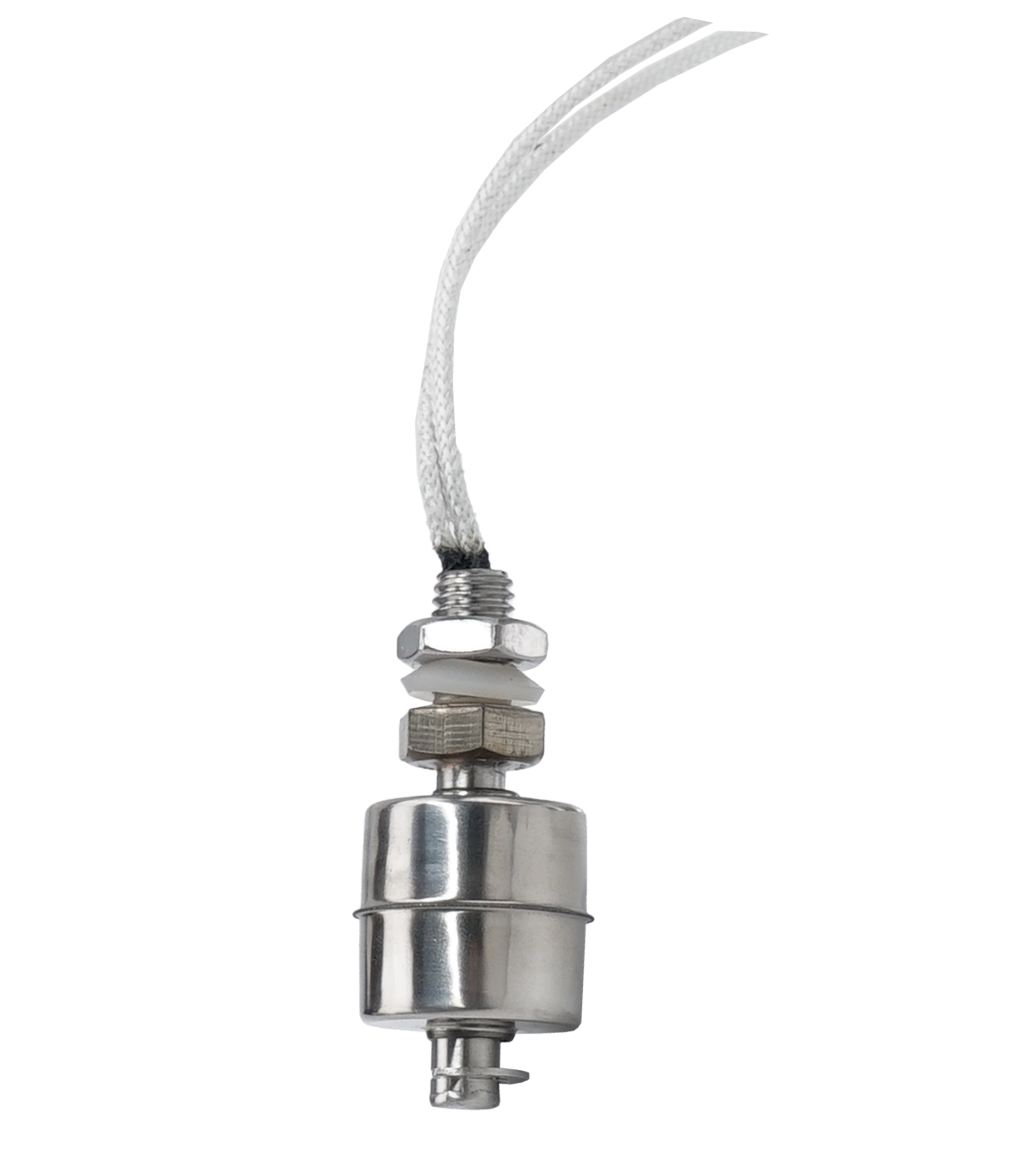
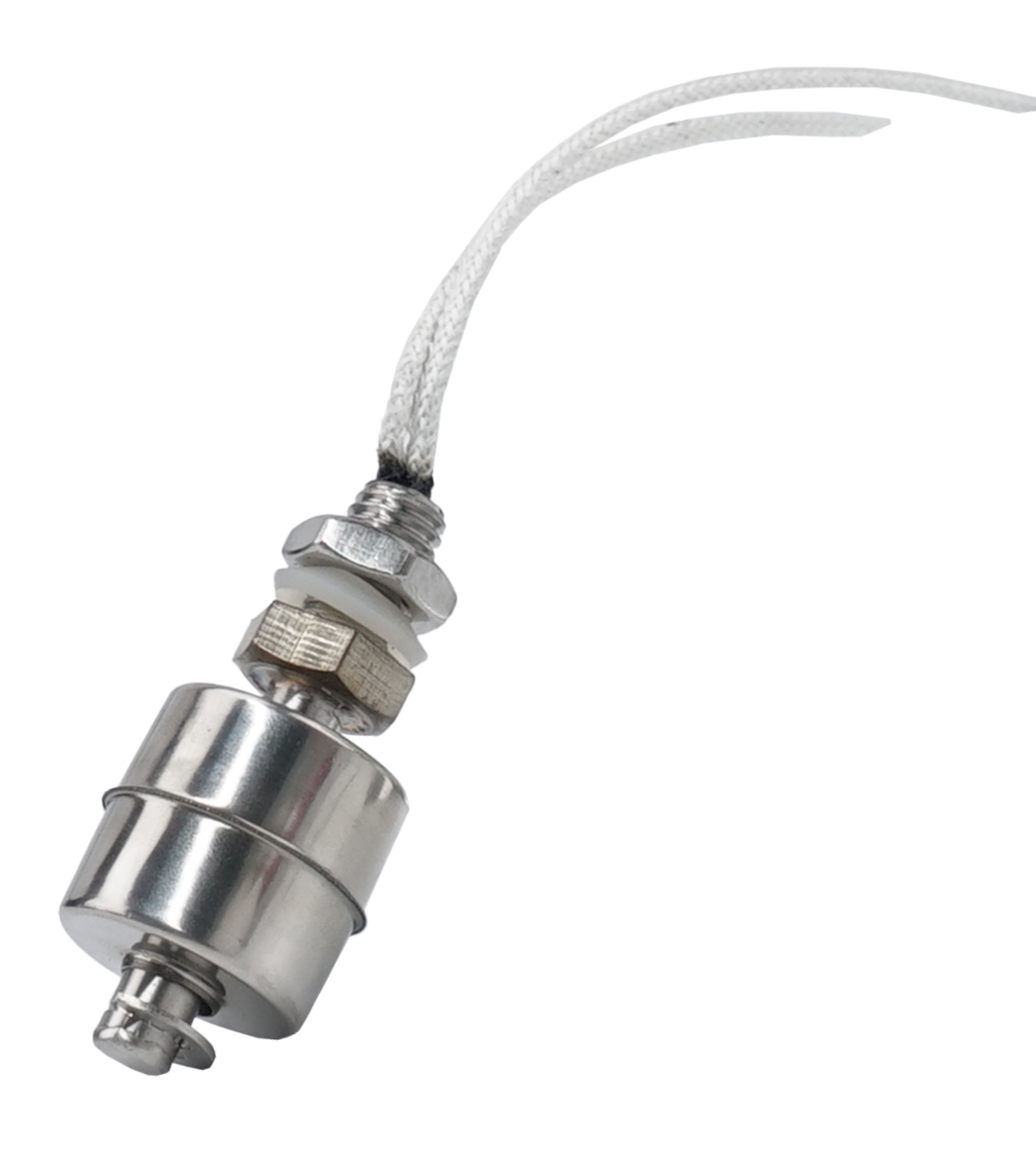
小型不锈钢浮球开关
不锈钢材质:耐腐蚀、耐磨损,适用于多种液体环境;
小型紧凑设计:节省安装空间,适合小型设备应用;
上下开状态可调:通过旋转浮球方向即可切换上开/下开模式;
安装简单方便:结构设计合理,维护便捷;
灵敏可靠控制:实现液位自动检测与电路控制;
应用范围广:适用于水箱、储液设备、家用及工业液位控制系统。

应用场景
- 家用电器:饮水机、净水器、咖啡机、加湿器、热水器等设备的水位检测;
- 小型水箱与储液设备:用于储水箱、冷却水箱、补水箱等液位自动控制;
- 工业设备:机械设备、自动化设备、液体储罐中的液位监测与控制;
- 水处理系统:净水设备、污水处理设备、过滤系统中的液位检测;
- 农业灌溉系统:蓄水池、水塔及自动供水设备的液位控制;
- 新能源及电子设备:适用于对空间要求较高的小型储液装置和辅助液位监测系统。
产品描述
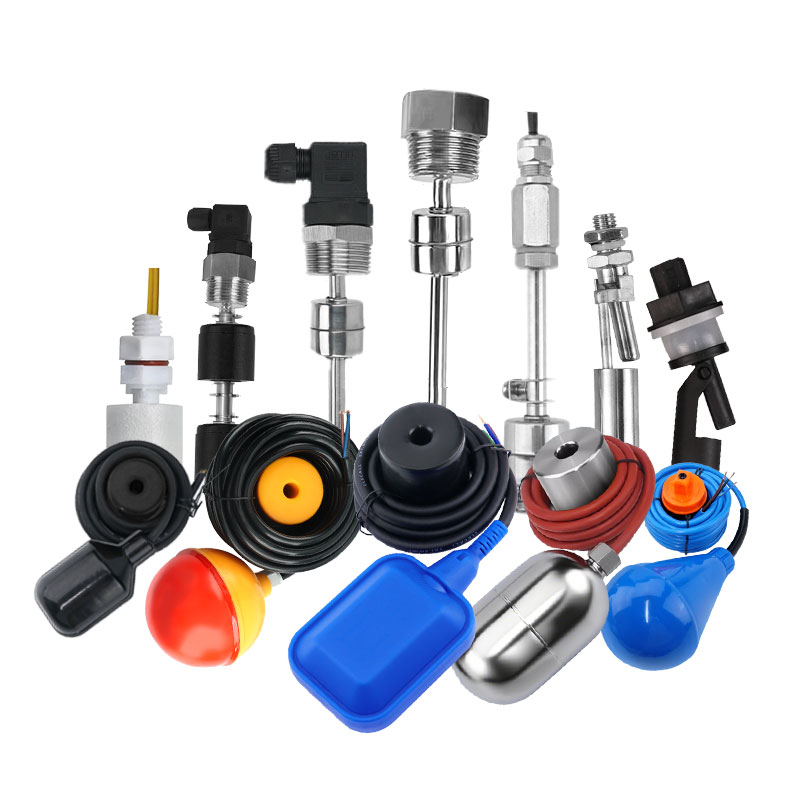
小型不锈钢浮球开关采用优质不锈钢材质制造,结构紧凑、耐腐蚀性强,适用于各种小型液体储罐、水箱及设备中的液位自动控制。通过浮球随液位升降产生的机械动作,实现液位检测与电路通断控制,可根据需求手动调节为上开式或下开式,满足不同控制场景的应用要求。
该产品出厂默认设置为下开式,用户可通过简单翻转浮球方向实现开关状态切换。配备可靠的内部开关结构,具有响应灵敏、安装方便、使用寿命长等特点。广泛应用于净水设备、饮水机、加湿器、小型水箱、工业液位控制及自动补水系统等领域。
产品特点
- 高灵敏度检测:单浮球控制行程仅 10mm,响应快速,适用于精确液位检测。
- 上/下开状态可调:支持手动切换上开式与下开式,满足不同液位控制需求。
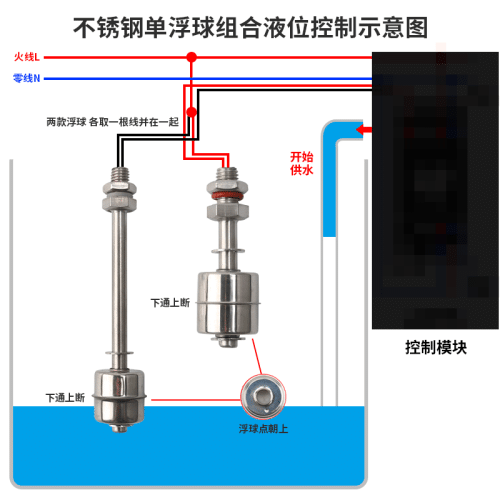
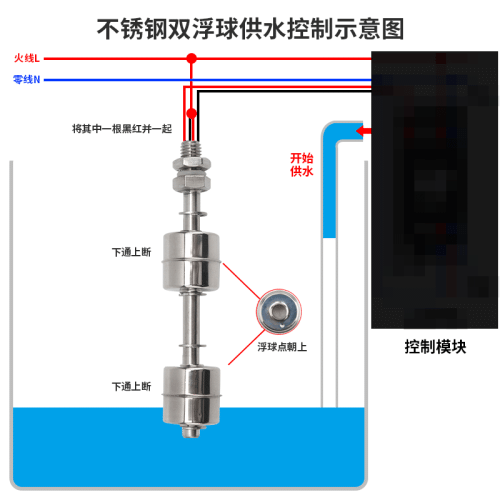
- 浮球数量可选:支持 1–4个浮球配置(可定制更多),适用于不同液位范围控制。
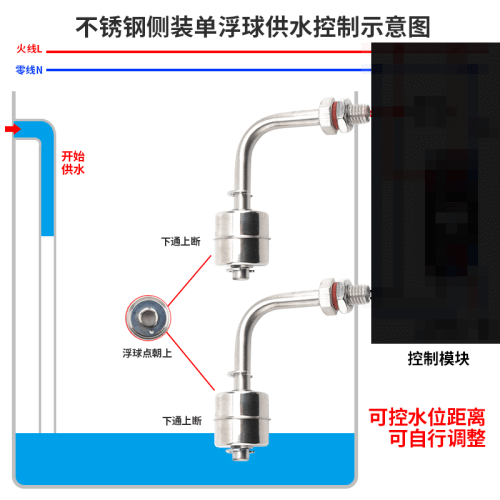
- 导杆长度定制:导杆长度可根据客户安装空间及液位控制距离进行定制。
- 不锈钢结构设计:采用优质不锈钢材质,耐腐蚀、强度高,使用寿命长。
- REED干簧管感应技术:采用磁簧开关检测方式,具有稳定可靠、低功耗、高寿命等特点。
- 结构小巧精致:体积小、占用空间少,适合紧凑型设备安装。
- 安装简单便捷:结构设计简洁,安装和维护方便。
- 多液位控制方案:可通过双浮球或多个单浮球组合,实现大液位差控制。
- 性能稳定可靠:适用于无杂质、无漂浮物的清洁液体环境,确保长期稳定运行。
技术参数
产品类别:
1A1/2A1
最大触点额定值:
10VA/50VA
最大开关电压:
100V AC/DC 220V AC/DC
最大开关电流:
0.5A/1.5A
最大击穿电压:
110V AC/DC 300V AC/DC
最大触点电阻:
100mΩ/100mΩ
工作温度范围:
-30~+120℃/-30~+120℃
浮球材质 :
SU304
浮体材质:
SU304
相关配件
浮球的位置可以任意移动吗?
不可以。浮球的位置是固定的,由上下两端的卡簧进行限位。移动卡簧的位置没有作用,因为内部的干簧管(REED开关)触点位置是固定不可移动的。
浮球开关可以直接控制水泵、电磁阀或报警器吗?
不可以。由于浮球开关内部采用的干簧管(REED)触点承载电流较小,直接控制大功率负载可能会导致触点烧毁,影响产品使用寿命。 如需控制不同设备,请根据负载类型增加相应的控制元件: 控制电磁阀或报警器:需要增加一个小型继电器进行信号转换; 控制水泵:需要增加一个小型继电器和一个与水泵功率匹配的交流接触器。 通过继电器和接触器进行隔离控制,可有效保护浮球开关,提高系统运行的安全性和可靠性。
浮球开关的控制范围是多少?
网页下方列出了对应的尺寸和控制范围。如果这些标准尺寸无法满足您的需求,您可以申请非标定制,定制数量不限。
同类产品
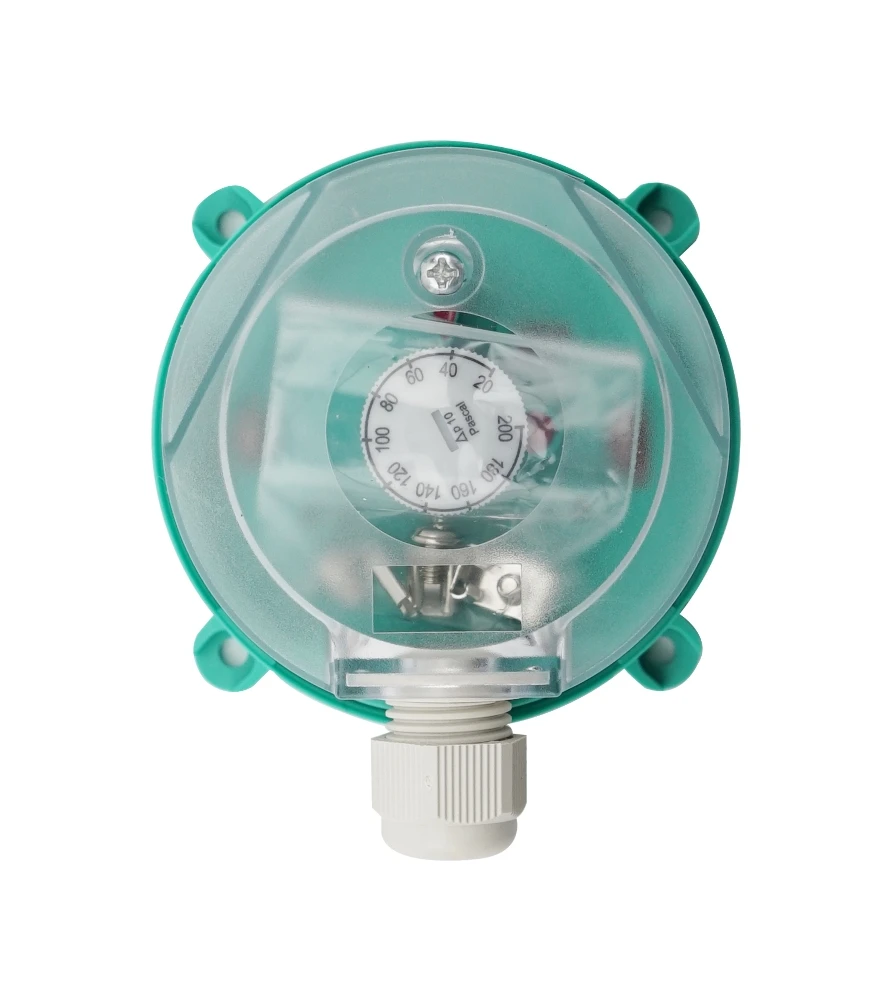
高灵敏度压差检测,确保系统运行状态实时监控;
可调节压力设定值,满足不同控制需求;
结构紧凑,安装简单,适用于多种设备安装环境;
采用可靠开关触点设计,具有良好的稳定性和使用寿命;
支持气管连接,可用于空气、气体等介质的压力差检测;
广泛应用于过滤器堵塞报警、风机压力控制、空调系统保护等场景。
不锈钢材质:耐腐蚀、耐磨损,适用于多种液体环境;
小型紧凑设计:节省安装空间,适合小型设备应用;
上下开状态可调:通过旋转浮球方向即可切换上开/下开模式;
安装简单方便:结构设计合理,维护便捷;
灵敏可靠控制:实现液位自动检测与电路控制;
应用范围广:适用于水箱、储液设备、家用及工业液位控制系统。
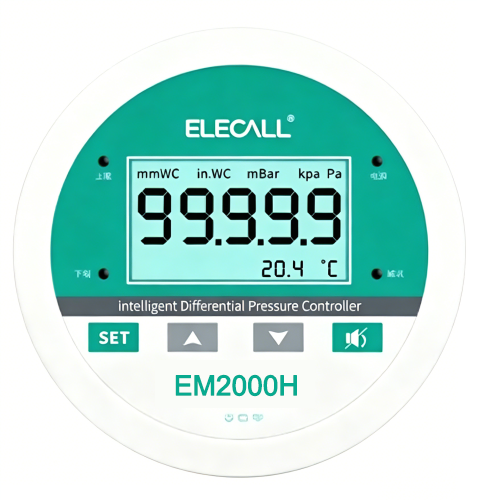
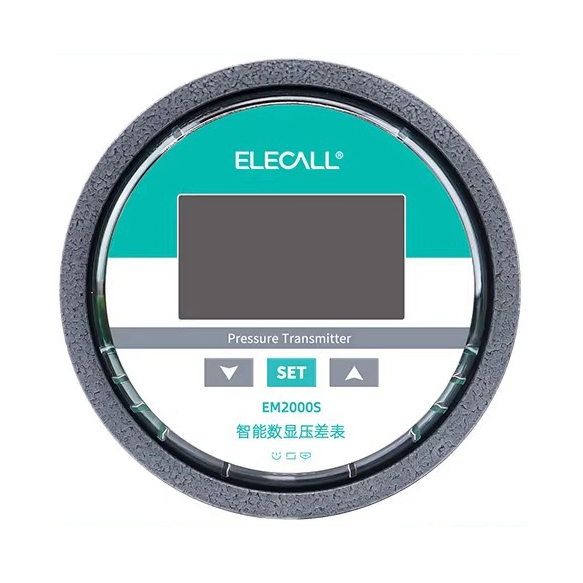
采用高精度压力检测技术,实现微小压力差的精准测量与稳定控制。
配备高清LCD显示屏,结合数字滤波算法,有效降低干扰,确保压力数据清晰、稳定。
提供标准模拟信号输出,并可选配RS485通信接口,方便连接工业自动化系统及远程监控平台。
支持多种压力单位显示切换,满足不同应用环境下的数据读取需求。
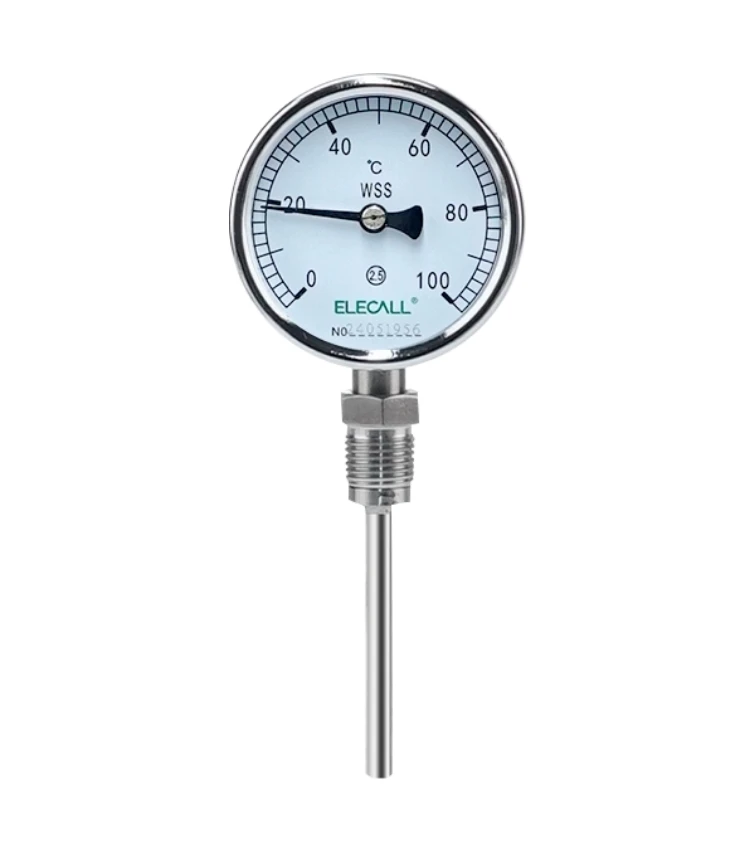
高灵敏度温度测量采用优质双金属感温元件,响应速度快,温度显示稳定可靠。
宽温度测量范围支持 -40~600℃ 温度测量范围,可根据应用需求定制,适用于多种工业环境。
优异的耐腐蚀性能保护管采用 304不锈钢材质,具有良好的耐腐蚀性和机械强度,适用于复杂工况。
耐用型工业设计结构简单,无需外部供电,安装维护方便,适用于长期连续运行场景。
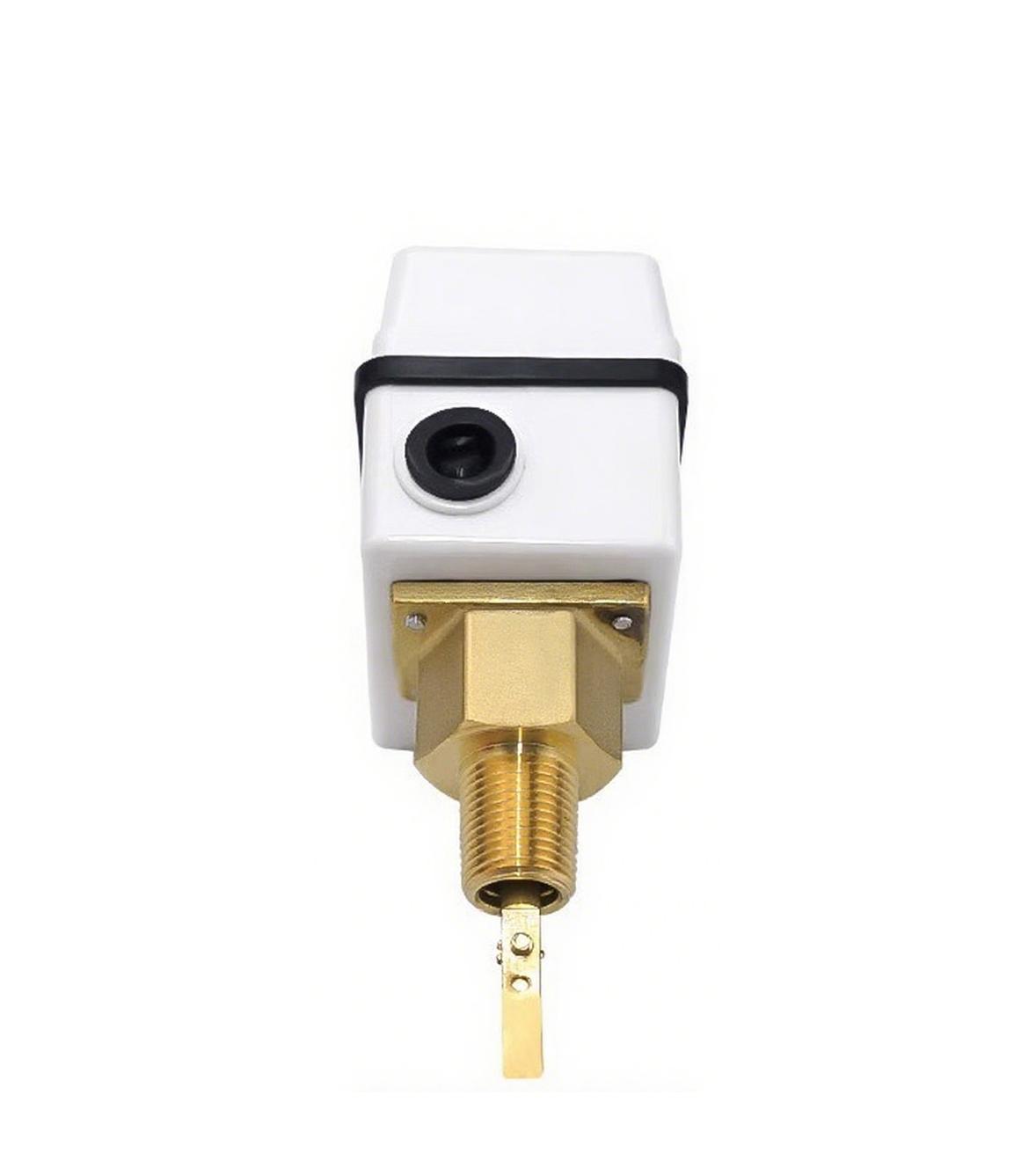
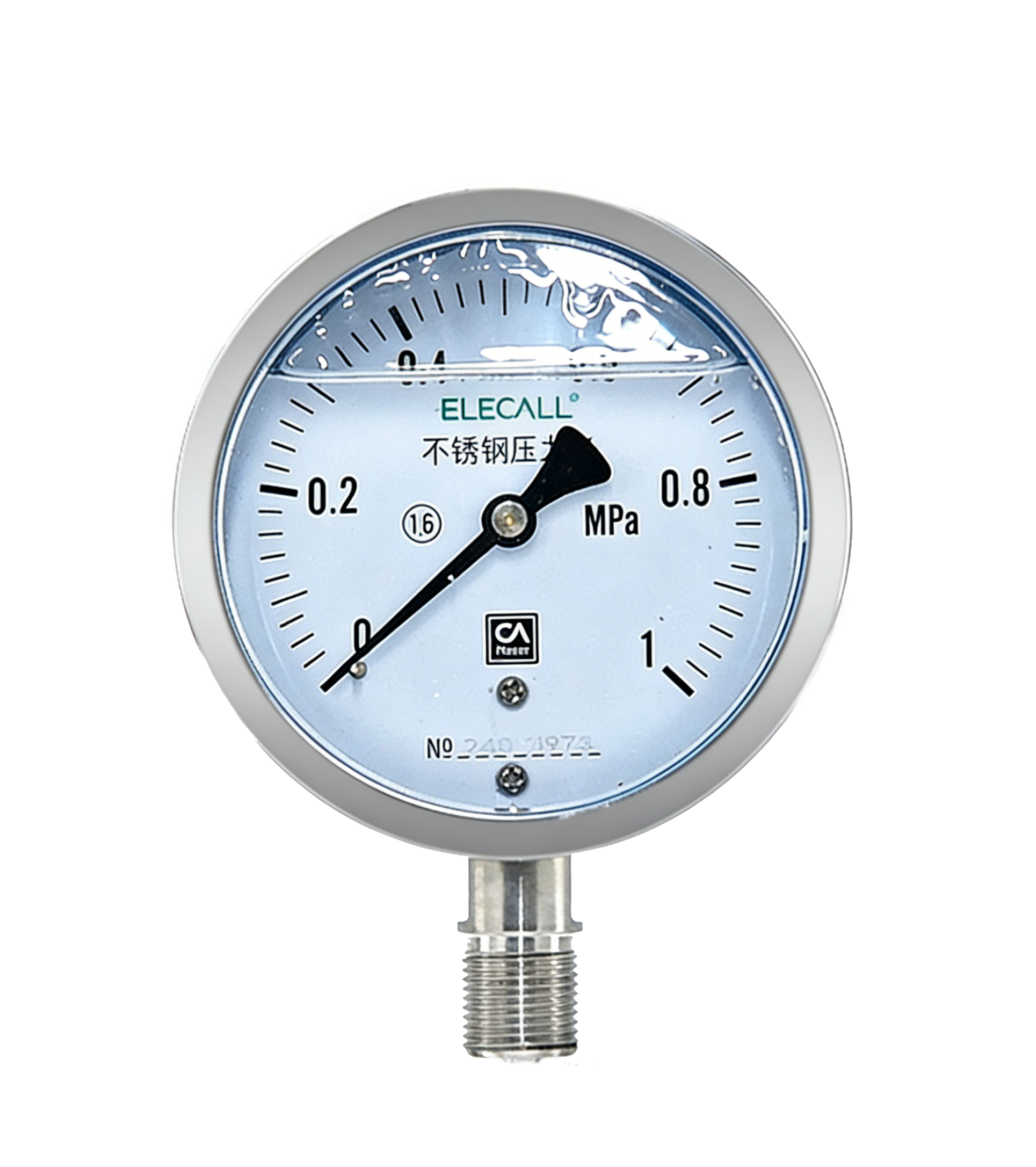
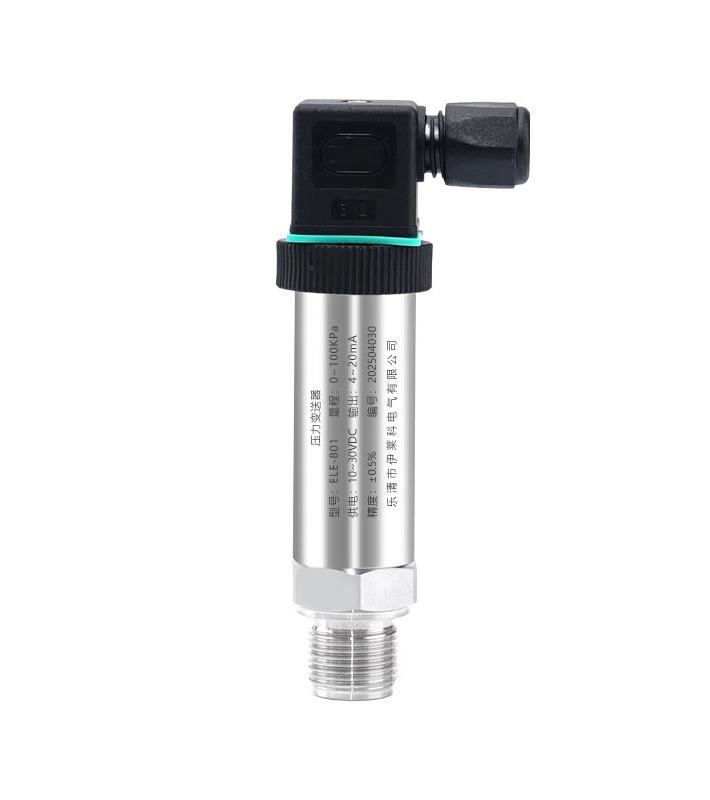
该产品适用于测量液体、蒸汽、气体等介质的压力,适用介质应满足以下条件:
- 无爆炸危险
- 不易结晶
- 不产生凝固
- 对铜及铜铝合金无腐蚀性
适用于工业现场中对一般性介质压力进行测量,广泛应用于设备压力监测、管道系统、流体控制系统等场景。
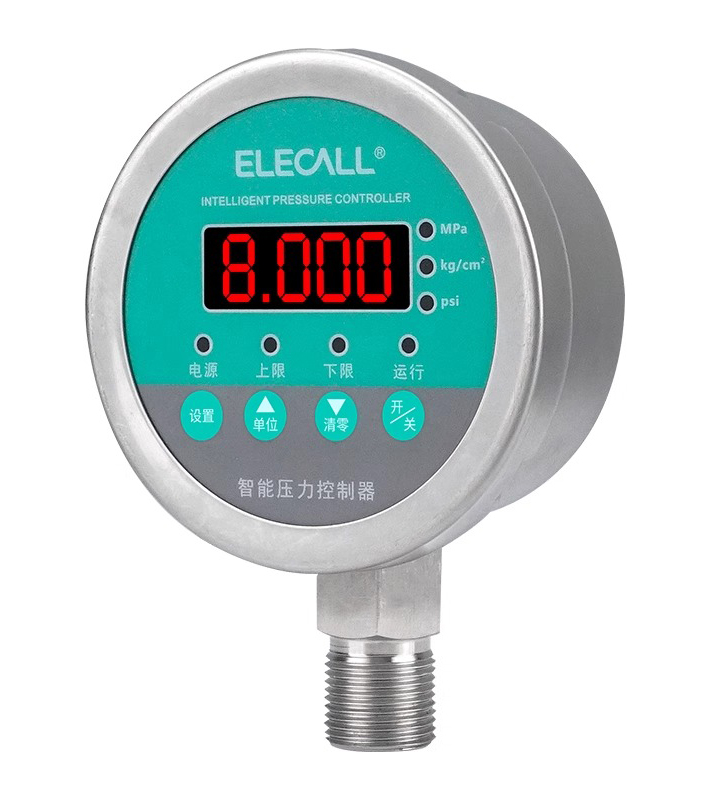
高精度数字显示,压力读数清晰直观
双继电器输出,实现上下限压力控制与报警
多重安全保护,提升设备运行可靠性
支持压力参数快速设置,操作简单方便
一键零点校准,降低测量误差影响
断电记忆功能,保持设定参数不丢失
适用于水泵、供水设备、工业控制等多种应用场景


 购物车
购物车