


Since diving into industrial process measurement in the early 2000s, I’ve commissioned and troubleshot level transmitters in everything from municipal wastewater plants and chemical storage tanks to oil depots and food silos across Asia and beyond. While marketing brochures push resolution, range, and smart diagnostics, real-world survival boils down to one truth: the transmitter must reliably detect the interface between liquid/vapor or solid/air without false readings from foam, buildup, agitation, temperature swings, or corrosion. I’ve seen high-end units fail in months due to poor probe material or mounting, while simpler, thoughtfully designed ones run for over a decade.
At ELECALL, we’ve applied these field lessons to our full range of level measurement solutions—from submersible hydrostatic transmitters and ultrasonic sensors to radar and capacitive probes—ensuring they deliver stable performance in demanding applications like water treatment, petrochemicals, metallurgy, and fire protection systems.
Choosing the Right Technology: Match the Medium and Conditions
No single technology rules them all. The key is understanding process realities.
Hydrostatic (submersible) transmitters remain the go-to for clean or mildly dirty liquids in deep wells, sumps, or open tanks. They convert pressure to level via a vented cable, simple and cost-effective.
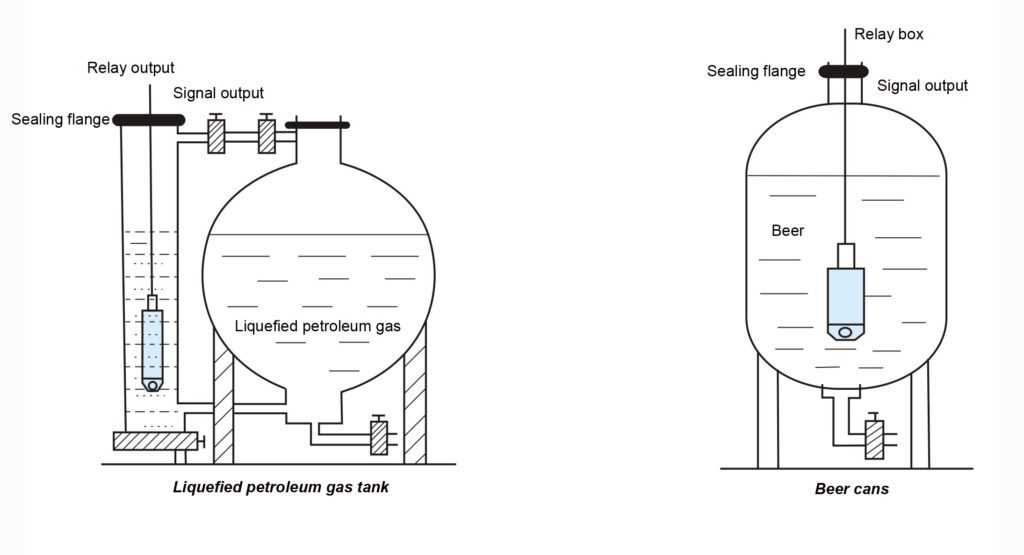
What is a submersible pressure transmitter? – SenTec
This diagram shows typical submersible installations in LPG tanks and beer fermenters—sealed flanges and relay boxes protect electronics while the probe sits at the bottom, immune to surface foam or vapors.
For non-contact needs, ultrasonic and radar shine. Ultrasonics work well for open channels or silos with moderate dust, but suffer from temperature compensation issues and foam/condensation.
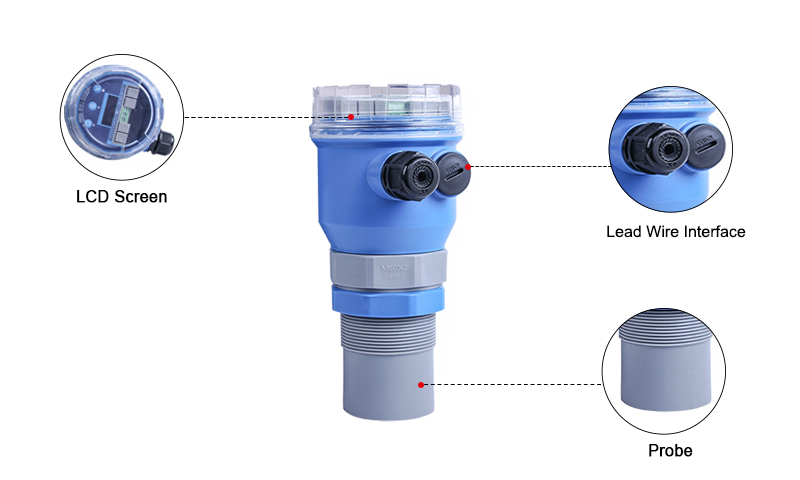
Ultrasonic Tank Level Sensor, Output 4-20mA/1-5V/RS485, 0-40M | ATO.com
Modern ultrasonic probes feature LCD displays, robust housings, and reliable transducers for ranges up to 40m.
Radar (FMCW or guided wave) handles vapors, foam, dust, and high temperatures far better—ideal for aggressive chemicals or dusty solids.

Radar Level Transmitter Mounting Guidelines | Radar Level Measurement
Proper mounting avoids false echoes from inlets or agitators; position away from filling streams and maintain blocking distance.
Capacitive probes excel for interface detection or sticky/adhesive media.
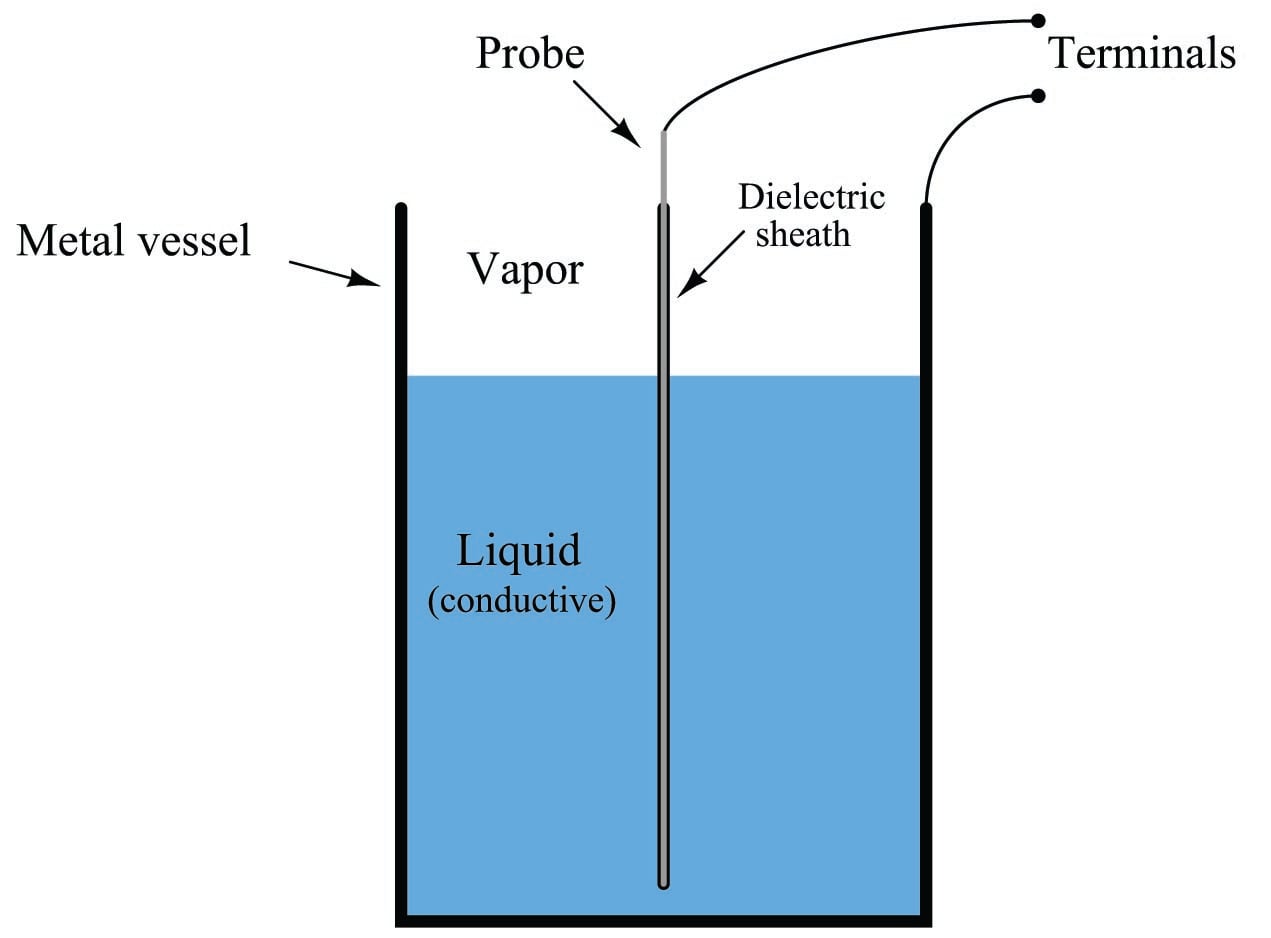
Capacitive Level Measurement | Introduction to Continuous Level Measurement | Textbook
The probe forms a capacitor with the vessel wall; dielectric changes with level. Great for oils, slurries, or conductive/non-conductive interfaces when coated properly.
Mechanical Durability: Where Most Failures Happen
Field data shows 70%+ of level issues stem from mechanical/probe problems, not electronics.
- Material Selection — 316L SS for general use; Hastelloy, Titanium, or PTFE for acids/corrosives; ceramic for abrasion in slurries. Submersible units need full encapsulation and vent tubes to handle barometric changes.
- Buildup and Clogging — Avoid narrow gaps in viscous media. Guided wave radar or vibrating fork switches self-clean better than float types. For radar, cone antennas reduce adhesion.
- Vibration and Agitation — Foam, waves, or stirrers cause noise. Use stilling wells for ultrasonics, or bypass pipes for radar in turbulent tanks.
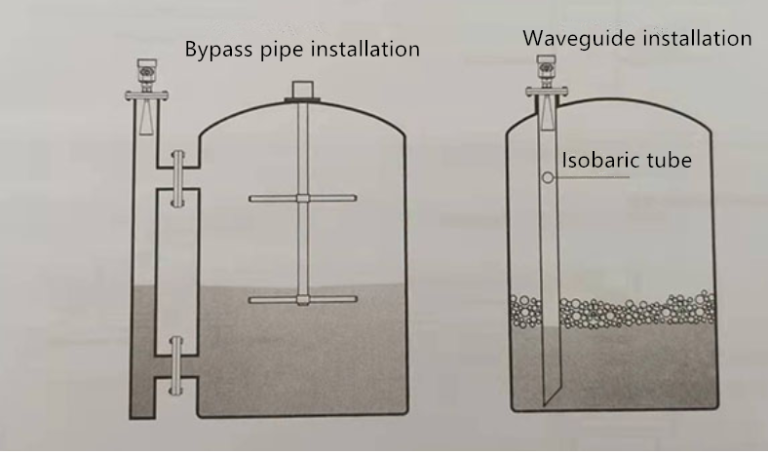
How to install a radar level meter in a storage tank with a heating coil – Just Measure it
Bypass or waveguide installations stabilize readings in heated or agitated vessels.
- Temperature and Pressure — High temps expand probes or cables; pressure-rated housings prevent implosion in vacuum or deep submersion.
Installation Best Practices from Real Sites
- Submersible: Drop straight down with cable strain relief; avoid kinks. Use weighted nose cones in flowing water.

Submersible Level Transmitters for Corrosive Environments – MeasureX Australia
Multi-application view: clean water, wastewater, viscous slurries—different probe designs handle each.
- Non-contact: Mount centrally, perpendicular to surface; minimum distance from walls/inlets.
- Cabling: Use shielded, vented cables for hydrostatic; IP68 glands everywhere.
- Diagnostics: 4-20mA + HART/RS485 for predictive alerts on buildup or sensor health.
At ELECALL, our level transmitters—like the submersible hydrostatic series, ultrasonic models, and radar variants—are built with these principles in mind. Backed by CE, ROHS, ISO9001, and explosion-proof certifications, they support flexible MOQs from 100 pieces and serve customers in over 30 countries.
Explore our full range: ELECALL Level Transmitters, Submersible Level Sensors, Radar Level Meters, Ultrasonic Level Sensors.
Level measurement looks straightforward on paper, but surviving foam, buildup, corrosion, and agitation requires obsessive mechanical design and field-proven choices. Design for the toughest day on site, not the ideal lab test—and pair it with reliable support from a manufacturer like ELECALL who understands both.
Prioritizing Mechanical Integrity Over Specs
Start with the basics: a pressure transmitter’s core function is to convert pressure into an electrical signal, typically via strain gauges, capacitive sensors, or piezoelectric elements. But in harsh settings, the sensor itself is rarely the first to go—it’s the mechanical envelope that protects it.
Consider the housing. Early in my career, I saw multi-piece assemblies with threaded joints leak after just months in corrosive media like acids or saltwater. The solution? Monolithic designs machined from a single block of stainless steel or Hastelloy. This minimizes weld points, reduces stress concentrations, and prevents ingress paths for moisture or contaminants. I’ve tested these in high-pressure pipelines where surges hit 200% over nominal, and they hold up without fatigue cracks.

What Are the Key Pressure Transmitter Components You Should Know?
A good exploded view like this illustrates the key components: the measurement assembly (sensor), housing, and seals. Notice how the terminal block and display cover integrate seamlessly—fewer interfaces mean fewer failure points.
Combating Common Pitfalls: Corrosion and Clogging
One of the biggest field killers is process media interaction. In viscous fluids like slurries or oils, small process ports clog, leading to inaccurate readings or complete failure. Traditional designs with flush diaphragms help, but I’ve learned to incorporate self-cleaning geometries, such as angled inlets that promote flow and prevent buildup. Filters? They’re a trap—biofilms and particles turn them into blockages in non-sterile environments.
Another pitfall: ignoring thermal expansion. In outdoor installations, temperature swings from -40°C to 80°C can warp seals or crack brittle materials. I once replaced a batch of transmitters on a gas pipeline where O-rings failed due to mismatched coefficients of expansion between the housing and seal. Best practice: use compliant materials like Viton or PTFE, and design with expansion gaps.
Vibration is equally insidious. Pumps and compressors generate harmonics that loosen connections over time. Early designs relied on rigid mounts, but field data showed acceleration forces up to 10g causing sensor drift. Now, I advocate for damped isolators or flexible diaphragms that absorb energy directionally, protecting the sensing element without compromising accuracy.

Pressure Transmitter Explained | Working Principle – RealPars
This diagram shows various transducer types—strain gauge, capacitance, potentiometric—all relying on a diaphragm. In field designs, reinforcing that diaphragm against overpressure is crucial to avoid rupture.
Best Practices for Field-Ready Designs
From countless site visits, here’s what separates reliable transmitters from frequent replacements:
- Sealed Cable Entries: Water ingress at electrical connections is a top failure mode. Use molded cable glands with IP68 ratings and internal strain relief to handle pulling and bending. I’ve seen cables fatigue and short out before the sensor ever drifts.
- Modular Yet Robust Electronics: While mechanics come first, electronics should be potted for vibration resistance and EMC shielding. Opt for 4-20mA outputs with HART protocol for diagnostics—field techs appreciate being able to calibrate without disassembly.
- Installation-Friendly Features: Include mounting brackets that allow for easy alignment and vibration isolation. In pipelines, remote seals extend the transmitter away from hot or corrosive spots, extending life.
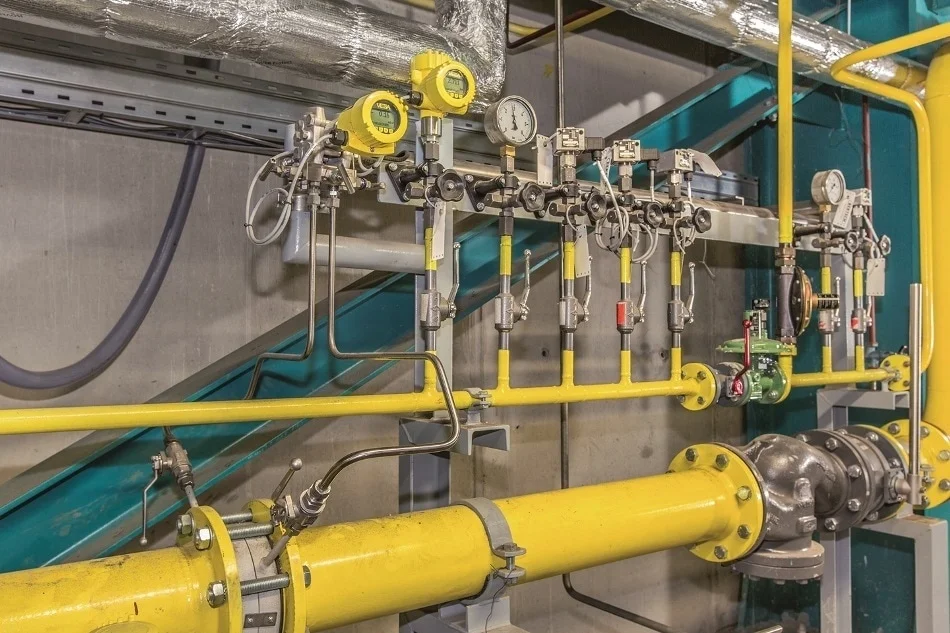
Take a look at a typical industrial setup:
Top 3 Types and Applications of Pressure Transmitters
Here, multiple transmitters are installed on a manifold in a pipeline system. Note the yellow piping for gas—designs must account for explosive atmospheres with ATEX certifications.
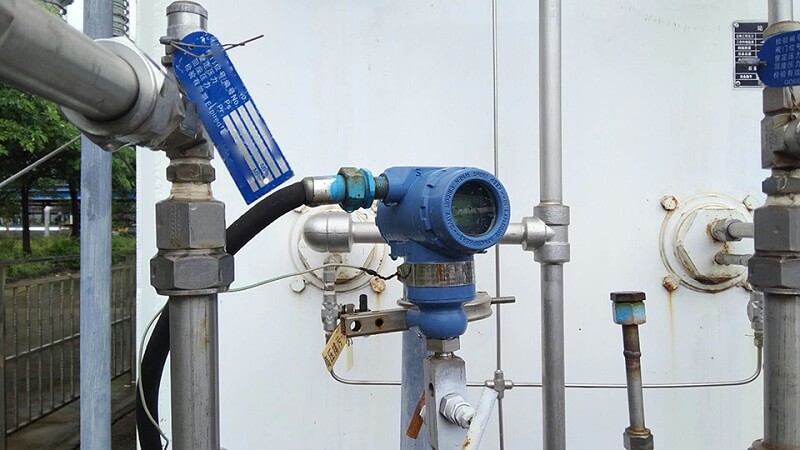
In harsher environments, like offshore platforms:
33 years OEM ODM pressure sensors pressure level transmitters manufacturer with CE RoHS REACH SIL EMC ISO9001
This shows a transmitter on a tank with tagging for identification. Durability in such exposed areas demands marine-grade coatings.
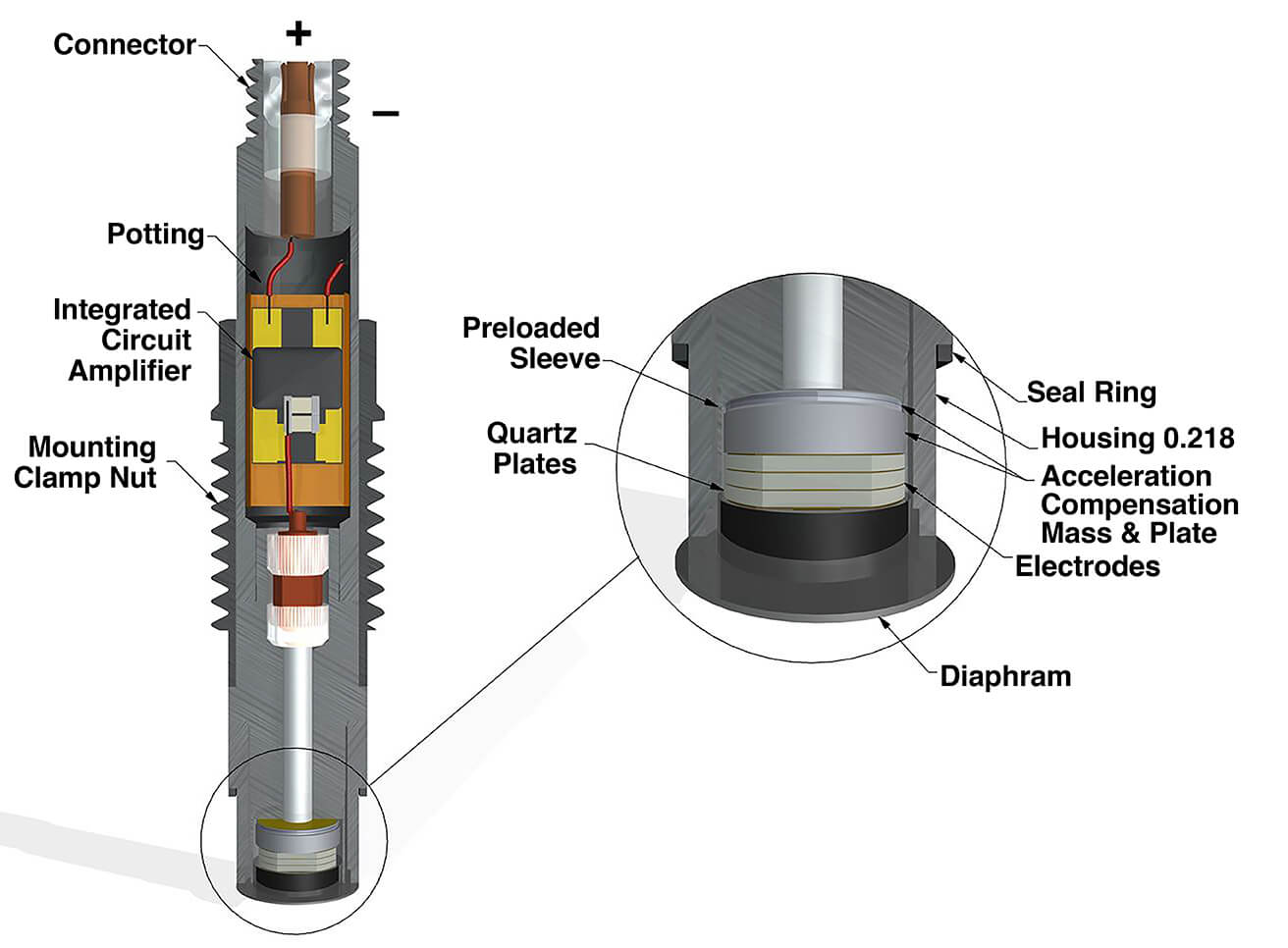
For internal protection, a cross-section reveals how seals and diaphragms safeguard the sensor:
Introduction to Piezoelectric Pressure Sensors
The preloaded sleeve and quartz plates in piezoelectric designs handle dynamic pressures, but the diaphragm is the frontline defense.
Finally, don’t overlook aesthetics and ergonomics. A rugged, no-frills look builds trust—laser-etched labels that don’t fade, and proportions that scream “built to last.” In the end, field success is about minimizing downtime. Specs sell products, but robust design keeps them running. If you’re engineering transmitters, test them in the mud, not just the clean room—your customers will thank you.
 English
  Chinese
 Cart
Cart